Jupiter rallied hard. The token shot up 23% over the past few sessions, driven by what looks like genuine spot demand rather than leveraged froth. Trading volumes climbed alongside the price, and JUP outpaced most of its competitors during the move.
But the rally didn’t happen in a vacuum. Traders have been rotating into mid-cap DeFi tokens after weeks of sideways action across the broader market. Jupiter caught that bid, and the momentum built fast. Volumes spiked on both centralized exchanges and decentralized platforms where JUP sees most of its activity. The token’s liquidity held up well during the climb, which probably helped sustain the move without triggering massive slippage or panic selling.
Resistance Levels Loom
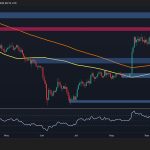
The rally looks good on a chart. Still, technical indicators show potential trouble ahead. Analysts tracking JUP point to resistance zones that could cap further gains if buying pressure doesn’t hold. The token hit levels it hasn’t seen in weeks, and those price points historically attracted sellers. Whether buyers can absorb that selling remains unclear.
Broader market conditions matter too. Regulatory headlines continue to shift sentiment across crypto, and macroeconomic data—especially inflation prints and central bank commentary—can swing prices fast. Jupiter’s rally took place during a relatively calm week, but that calm won’t last forever. Any negative macro surprise could reverse gains quickly, especially for tokens that rallied hard in a short window.
Competitor activity also plays a role. Other DeFi protocols have been rolling out upgrades, launching incentive programs, and announcing partnerships. If Jupiter doesn’t keep pace with product development or community engagement, traders might rotate into tokens with more immediate catalysts. The DeFI space moves fast, and attention spans are short.
Whale Watching
Large holders can make or break a rally. On-chain data shows that a handful of wallets control significant JUP positions, and their behavior often precedes major price moves. If whales decide to take profits after a 23% run, selling pressure could overwhelm spot demand pretty quickly. Traders are watching wallet flows closely, looking for signs that big holders are either accumulating or distributing.
The dynamics are tricky. Whales sometimes accumulate during rallies, betting on continuation. Other times they use retail enthusiasm as exit liquidity. Right now, it’s hard to say which scenario is playing out. Wallet activity has been mixed, with some large addresses adding to positions while others trimmed. That ambiguity keeps traders on edge.
Volatility hasn’t disappeared either. Jupiter’s price action over the past week included sharp intraday swings, which is typical for mid-cap tokens but can spook less experienced traders. The volatility partly reflects the nature of crypto markets, where liquidity can thin out fast and price discovery happens in bursts. But it also means that anyone entering positions now needs to stomach potential drawdowns.
Market sentiment shifts constantly. External factors—ranging from regulatory announcements to macroeconomic trends—can flip the narrative overnight. Jupiter’s rally benefited from a risk-on environment, but that environment is fragile. Any hint of regulatory crackdown or economic slowdown could trigger a broad market selloff, dragging JUP down with it.
The token’s performance also depends on technological progress. DeFi protocols live or die by their product roadmaps, and Jupiter’s development team faces pressure to deliver upgrades that keep users engaged. If the protocol announces new features, integrations, or partnerships, that could provide fresh fuel for the rally. Without those catalysts, momentum might fade.
Trading activity tells part of the story. The surge in volume suggests real interest rather than wash trading or artificial pumping. Spot markets saw the bulk of the action, which is generally a healthier sign than futures-driven rallies that can unwind fast. But volume alone doesn’t guarantee sustained gains. Traders need to see follow-through, with buyers continuing to step in at higher prices.
What Happens Next
Jupiter’s recent gains put it on the radar for traders who missed earlier entries. The 23% move attracted attention, and that attention could bring more capital into the token. But it could also attract profit-takers who see the rally as a chance to exit positions they’ve held through previous downturns.
The broader crypto market remains sensitive to news flow. Economic data releases, regulatory developments, and even social media sentiment can swing prices fast. Jupiter’s rally happened during a relatively quiet news cycle, but the next big headline could change the picture entirely.
Resistance levels identified by technical analysts will be tested soon. If JUP pushes through those levels on strong volume, the rally could extend. If it stalls and reverses, traders who bought near the top will face losses. The next few sessions will probably determine whether this move has legs or if it’s just a short-term spike.
Large holders continue to be a wild card. Their trading decisions can amplify moves in either direction, and retail traders often find themselves on the wrong side of whale activity. Monitoring on-chain data might offer clues, but whales can also disguise their intentions by splitting transactions across multiple wallets.
The token’s market presence has definitely strengthened. Jupiter now sits higher on rankings by market cap and trading volume, which brings visibility but also scrutiny. More eyes on the token means more opinions, more trading strategies, and more potential for volatility.
Demand dynamics remain the key variable. Spot buying drove the rally, and sustained spot demand is needed to keep it going. If that demand fades—whether because traders rotate into other opportunities or because market conditions deteriorate—Jupiter’s gains could evaporate quickly. The DeFi sector is crowded, and capital moves fast between protocols based on where the next opportunity appears.
Jupiter’s rally also raises questions about sustainability. A 23% move in a short period is impressive, but it can also set up unrealistic expectations. Traders who expect similar gains every week will be disappointed, and that disappointment can turn into selling pressure. Managing expectations is tough in crypto, where parabolic moves sometimes create FOMO that ends badly.
The interplay between technical signals and market fundamentals will shape Jupiter’s path. Charts show resistance, but fundamentals—like protocol usage, developer activity, and community growth—matter just as much. If Jupiter’s underlying metrics are strong, the token might power through technical barriers. If fundamentals lag, resistance could prove insurmountable.
Post Views: 11
Frequently Asked Questions
What drove Jupiter’s 23% price rally?
The rally was driven primarily by increased spot demand from traders, with volumes rising significantly across both centralized and decentralized exchanges.
What could limit Jupiter’s further price gains?
Technical resistance levels, whale selling activity, and broader market conditions including regulatory news and macroeconomic trends could all cap further upside.